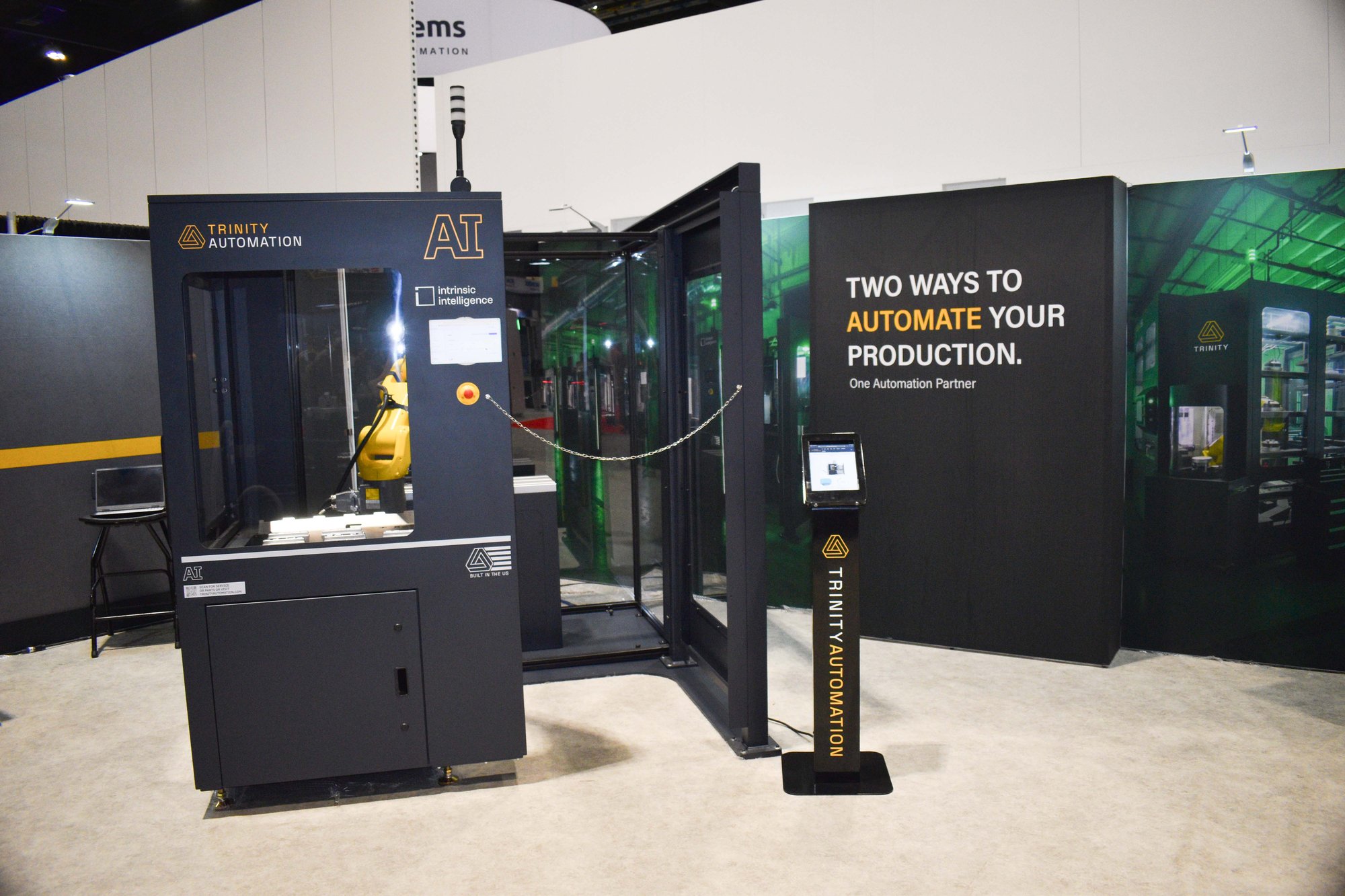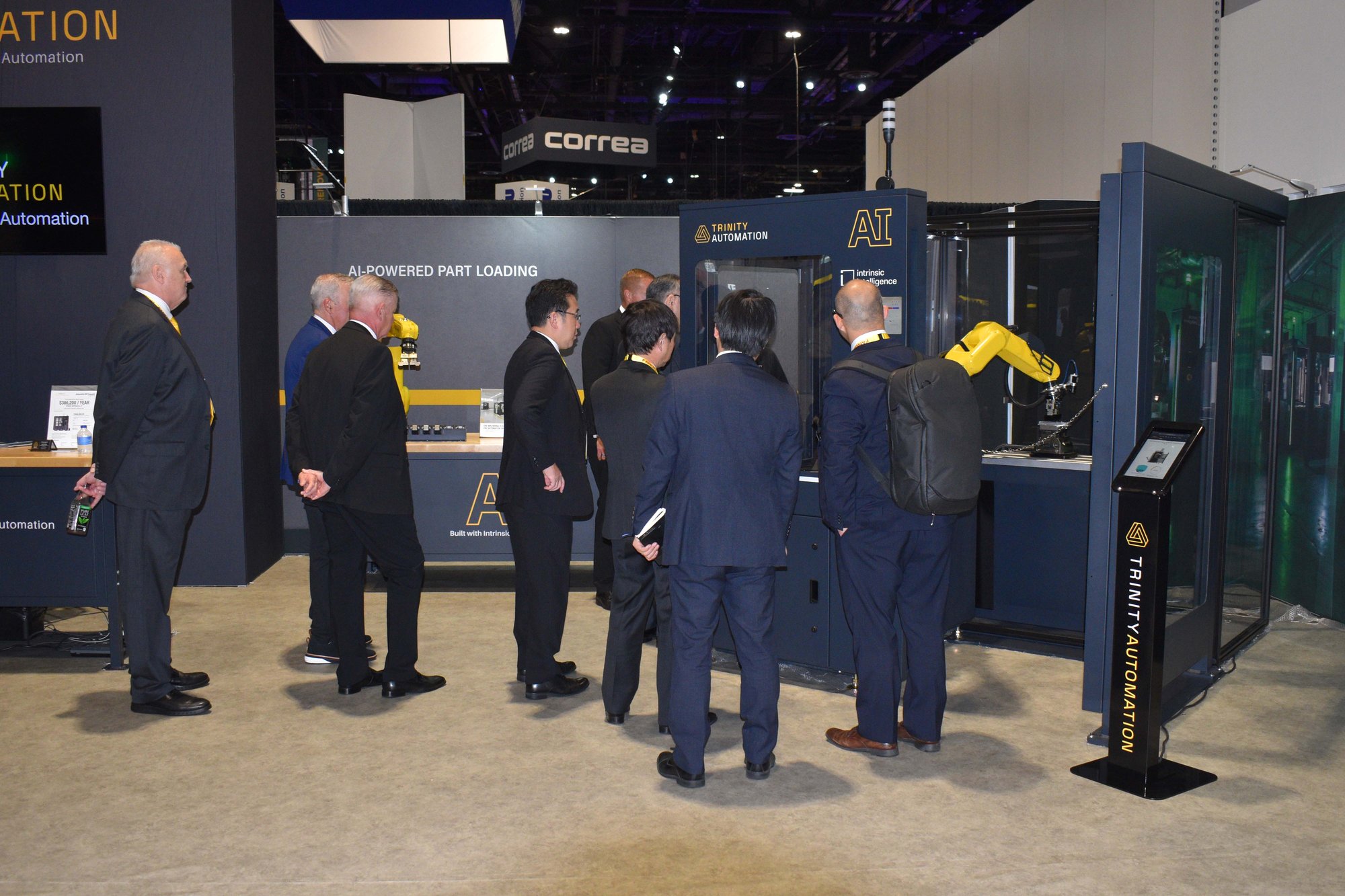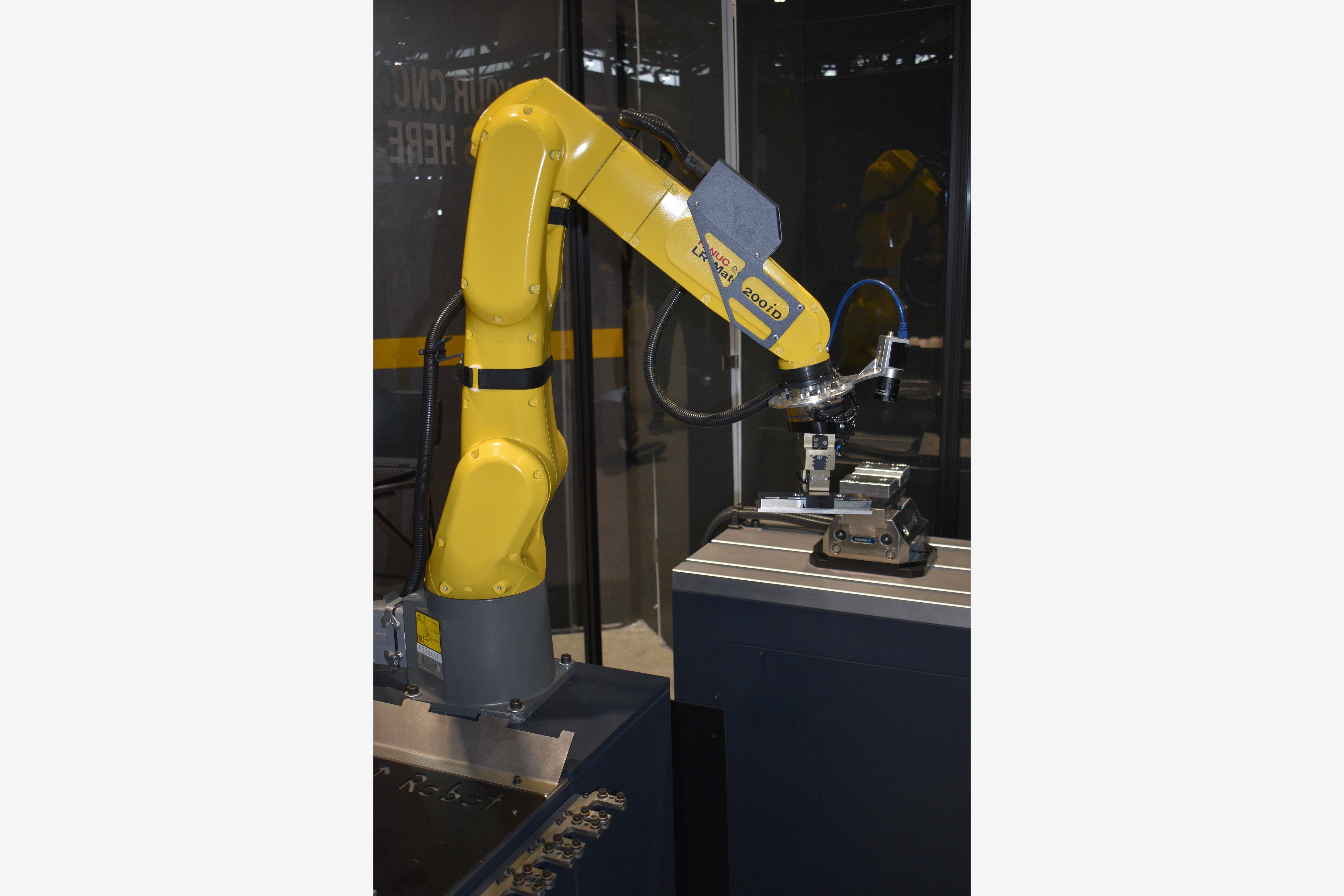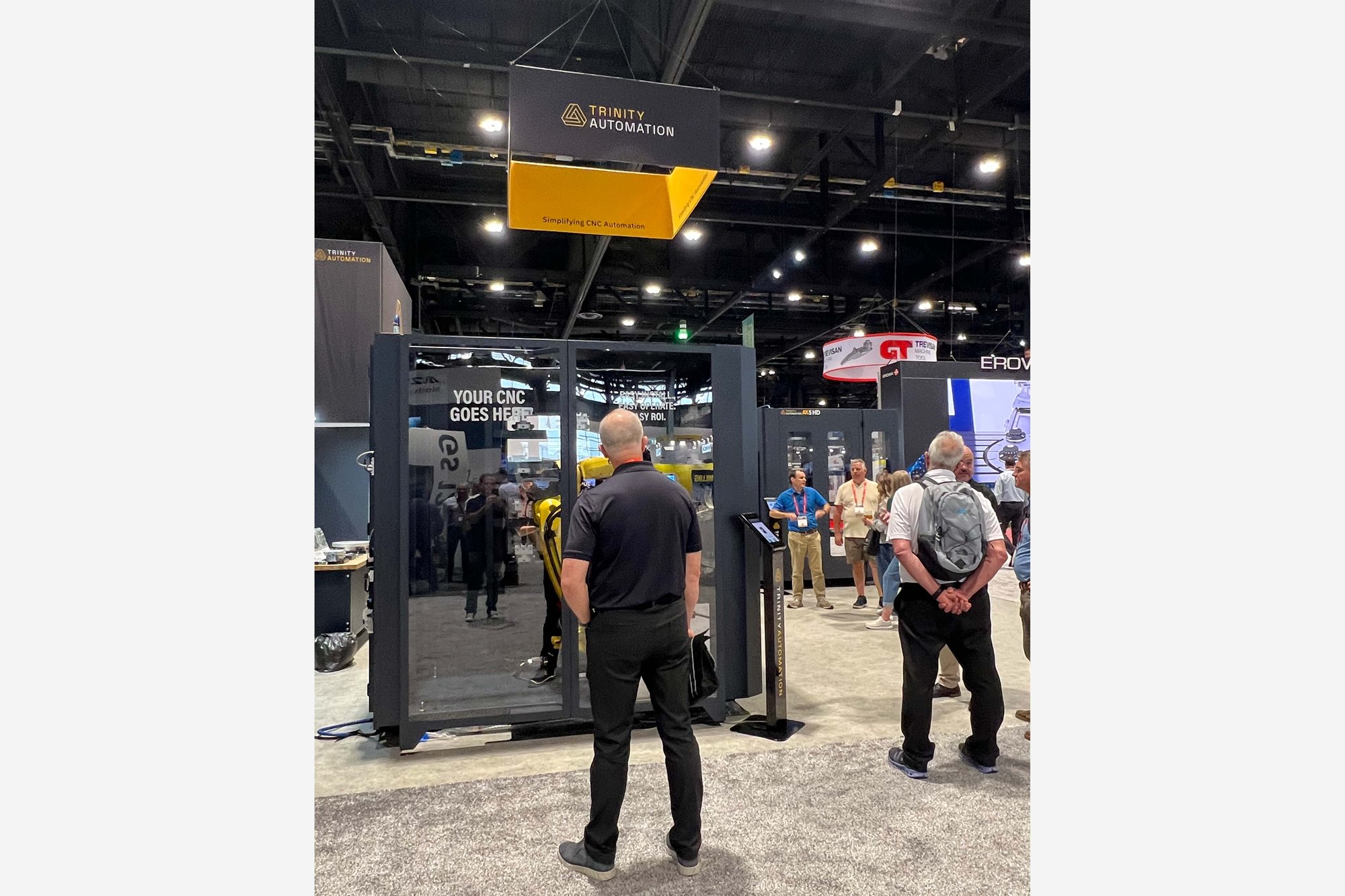
See the Trinity Automation AI in action at IMTS 2026 and discover a smarter approach to CNC machine tending. This advanced automation solution simplifies CNC part loading, reduces manual operator workload, and helps manufacturers keep machines running efficiently. By combining intelligent automation with CNC machining, the Trinity AI streamlines repetitive part-loading processes, improves machine utilization, and supports consistent production quality.
Its compact, flexible design makes it an ideal solution for manufacturers looking to increase productivity, optimize their workflow, and take the next step toward a more automated shop floor.


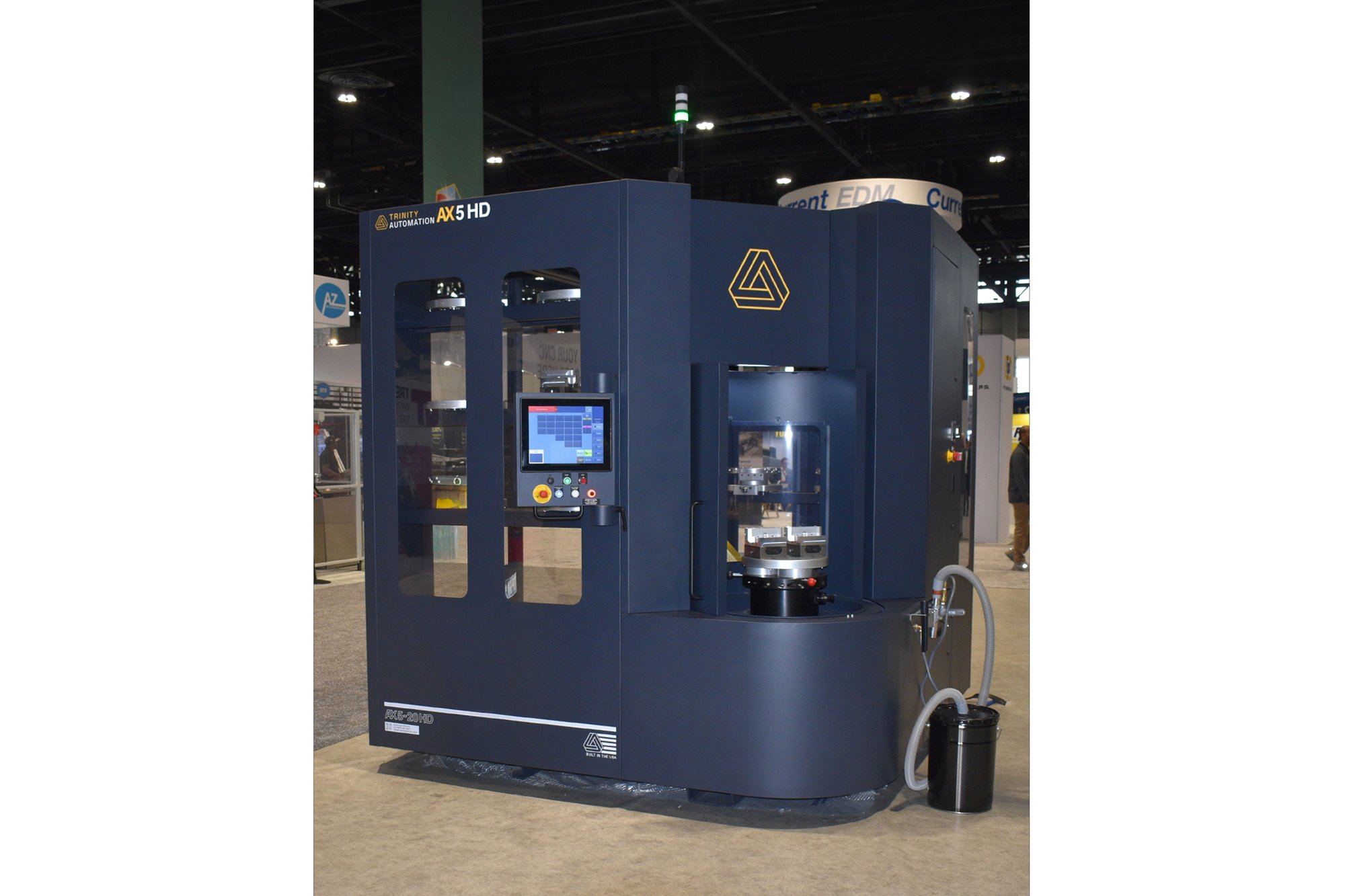
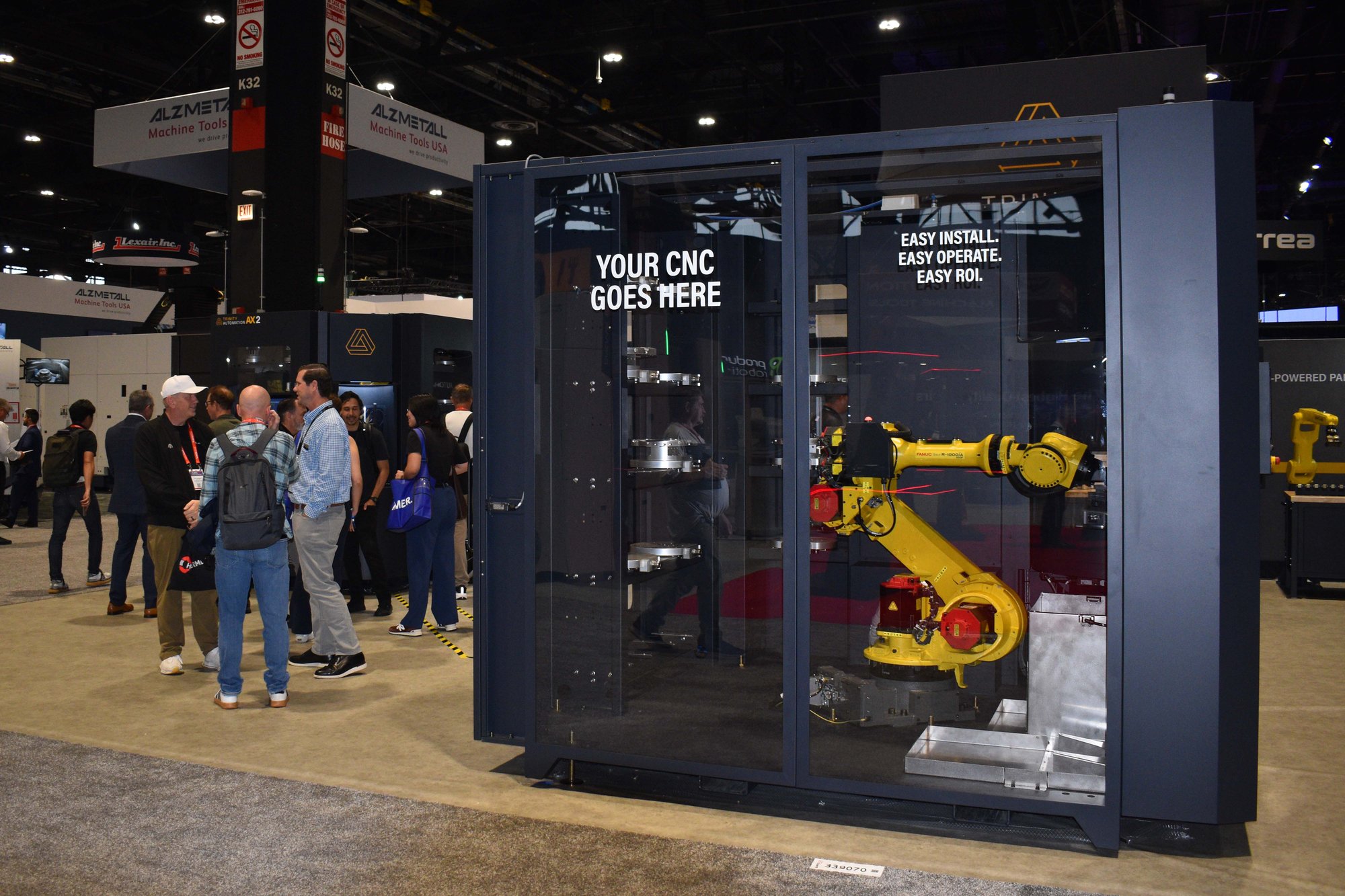
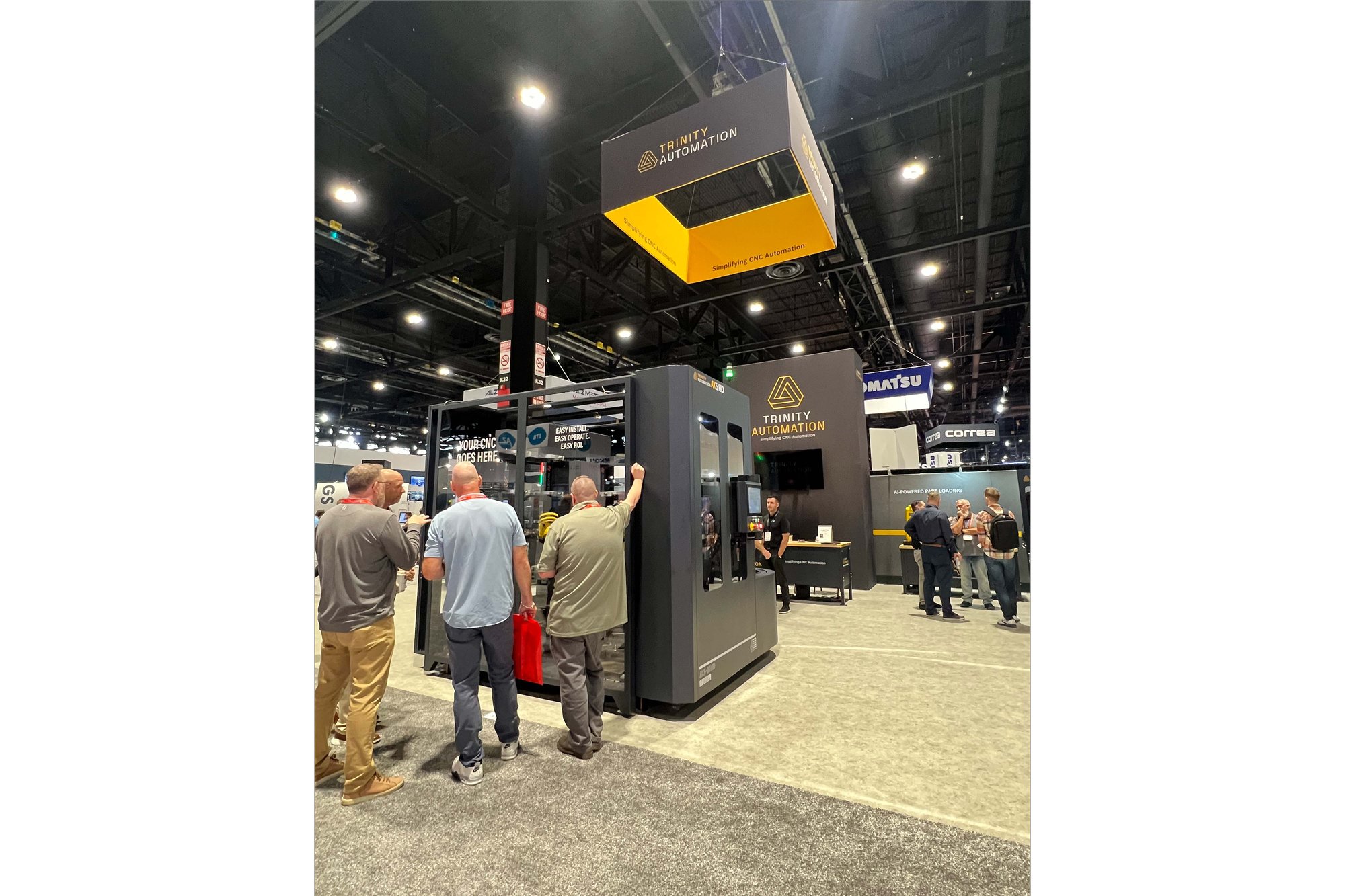
Experience the Trinity AX5HD at IMTS 2026, a heavy-duty 6-axis robotic automation cell designed for medium-to-large vertical and 5-axis machining centers. Built for high-mix, low-volume manufacturing, the AX5HD streamlines part handling, increases machine utilization, and enables lights-out machining.
Its flexible, industrial-grade design helps automate loading and unloading, reduce manual intervention, and keep CNC machines running longer with less operator involvement. Designed for demanding production environments, the AX5HD gives manufacturers the flexibility to automate a wide range of machining applications while increasing throughput and maximizing machine utilization.
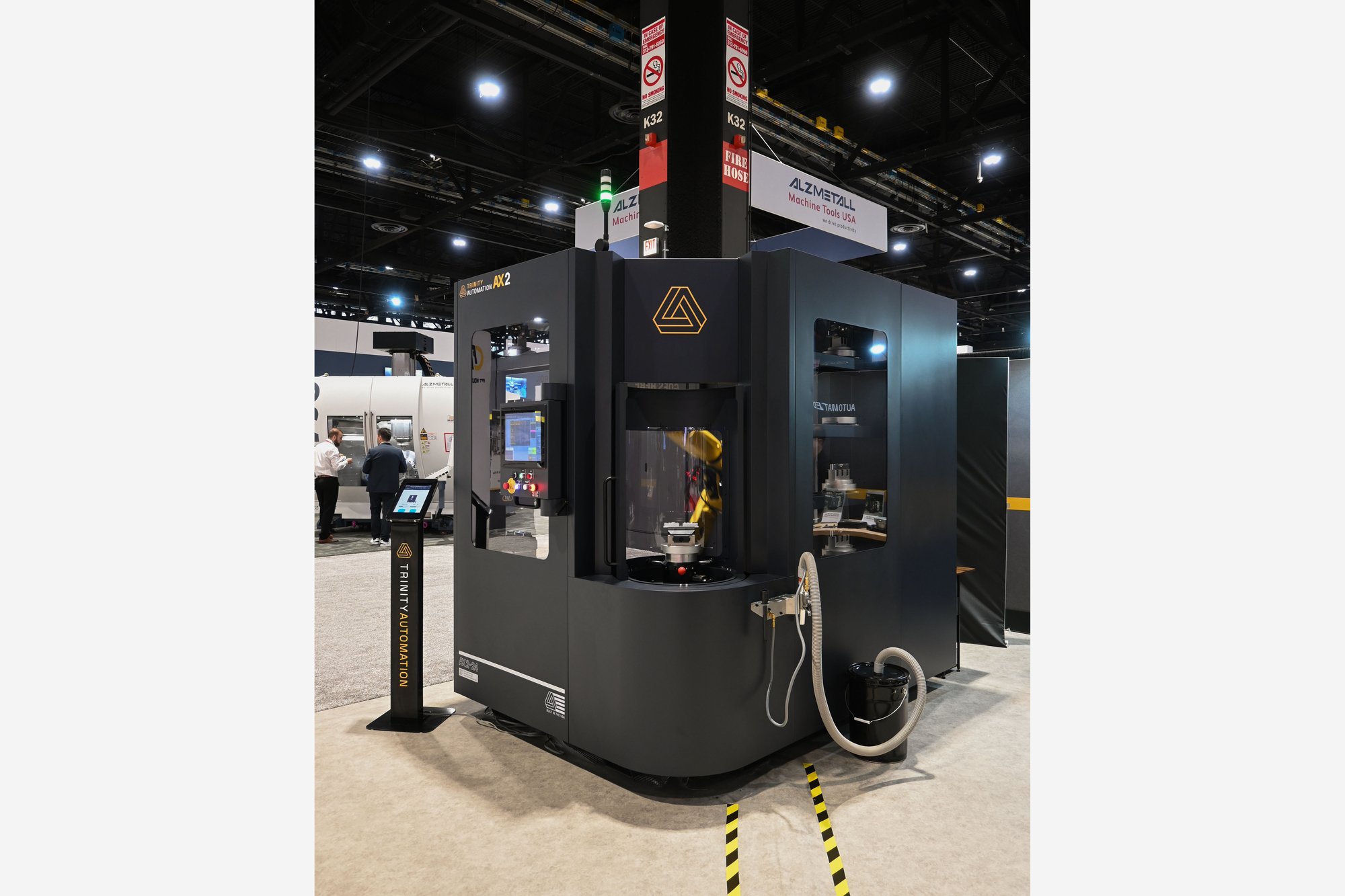
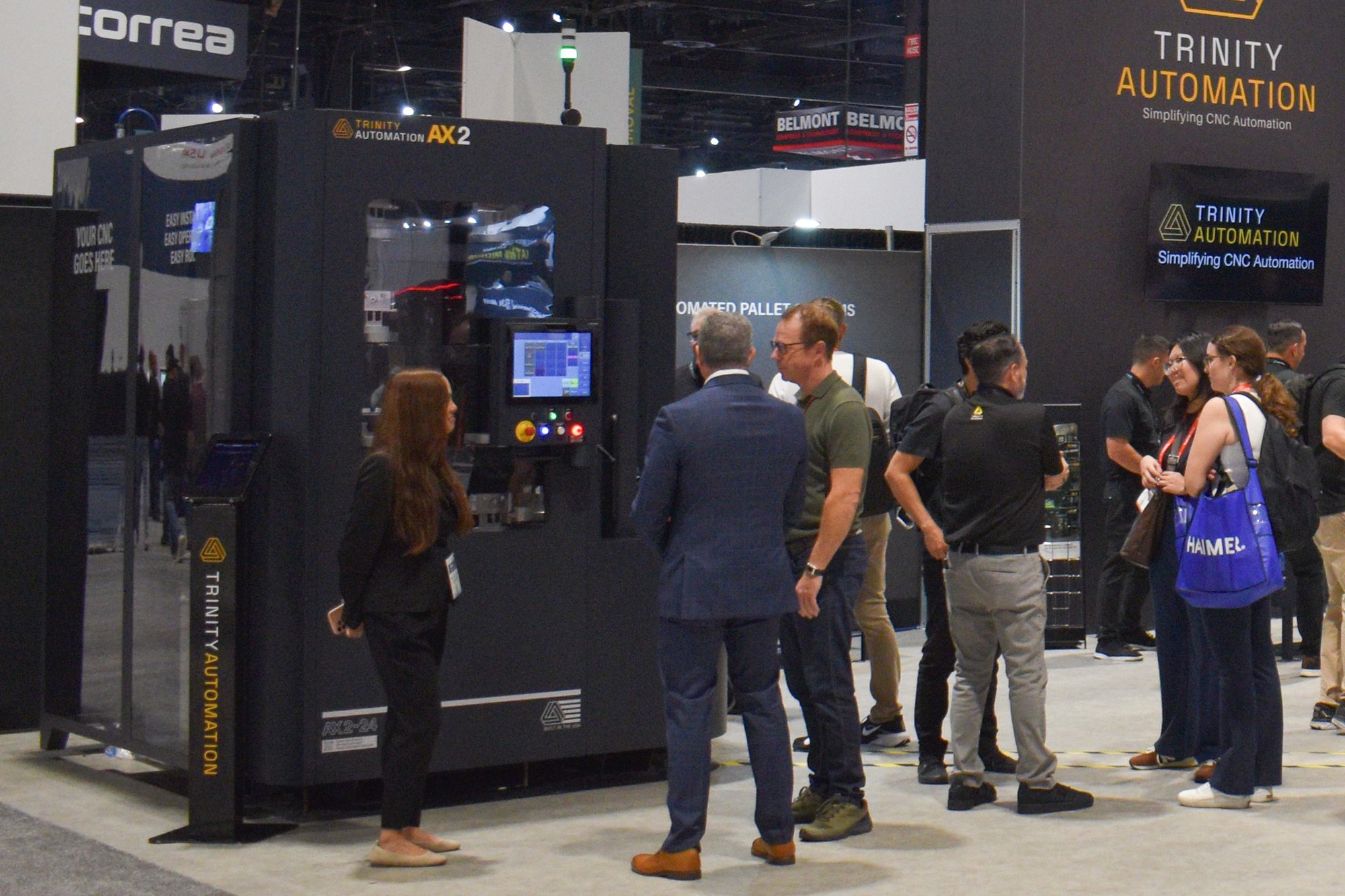
The Trinity AX2 makes its mark at IMTS 2026 with a compact automated pallet management system designed to transform new or existing Vertical Machining Centers into autonomous, lights-out manufacturing cells. Built to maximize machine utilization, the AX2 automates pallet handling and allows CNC equipment to continue producing with minimal operator intervention.
Available as a single-machine solution or as the AX2 Duo, which can manage two CNC machines simultaneously, the system gives manufacturers the flexibility to expand automation around their existing equipment. By enabling unattended production during nights and weekends, the AX2 helps reduce downtime, improve productivity, and maximize valuable machine capacity.

KL Engineering’s journey toward palletized automation followed its larger shift toward vertical integration.
The company first brought welding and waterjet cutting in-house. Then CNC machining followed. As production quantities increased, the need for scalable, efficient automation became clear.
“We didn’t want to add a lot of overhead programming robots, designing end effectors, and interfacing with individual parts that may never come back.”
For a high-mix contract manufacturer, direct part handling with custom robotic tooling would have required significant engineering time—time better spent making parts.
A palletized solution was the answer.