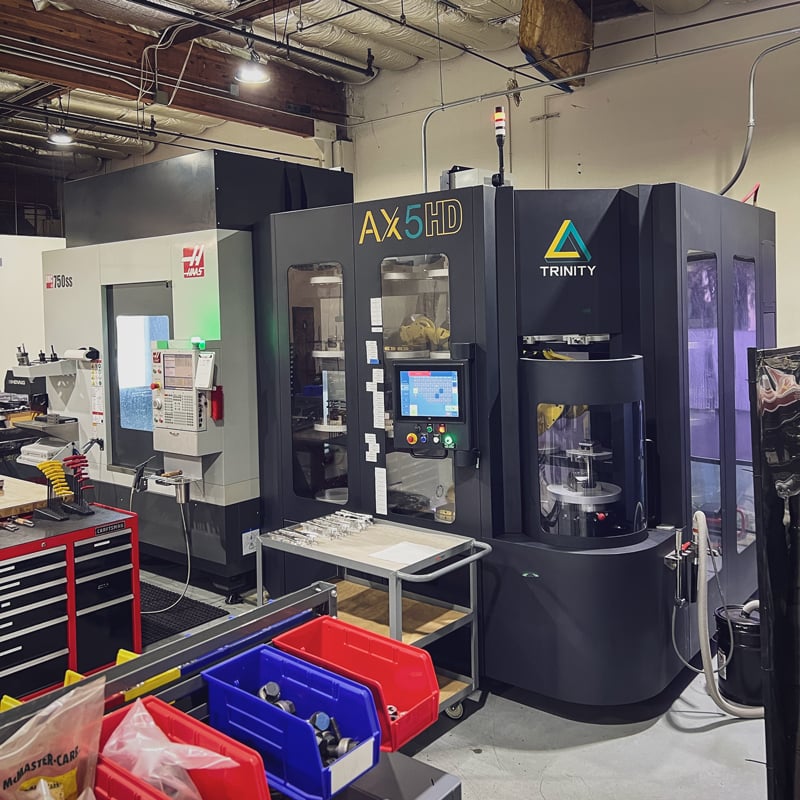
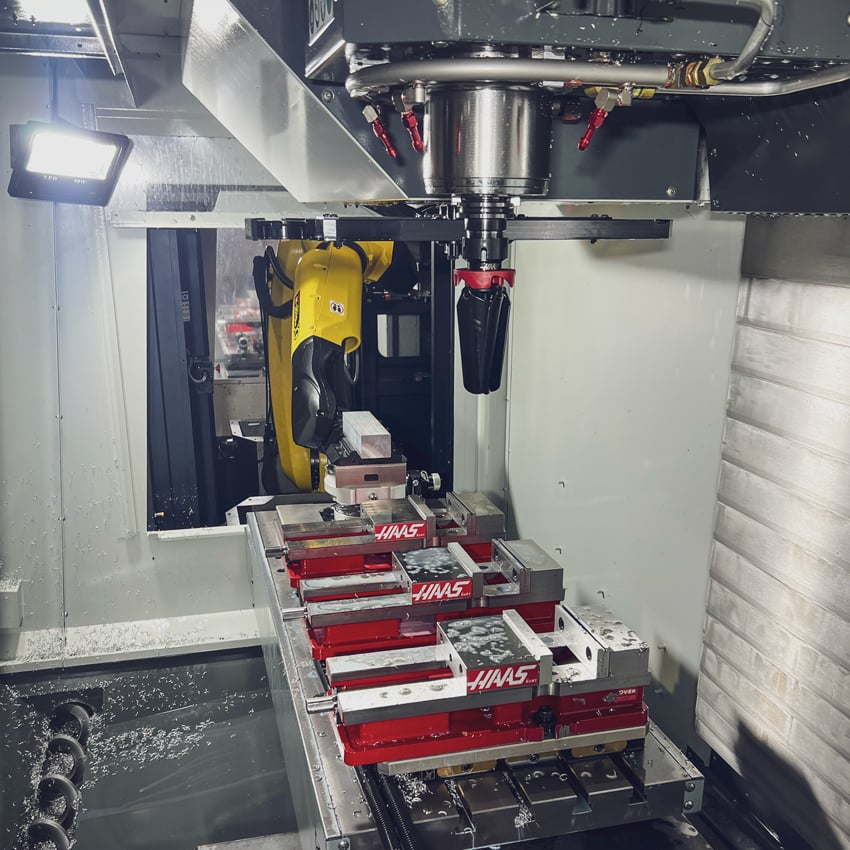
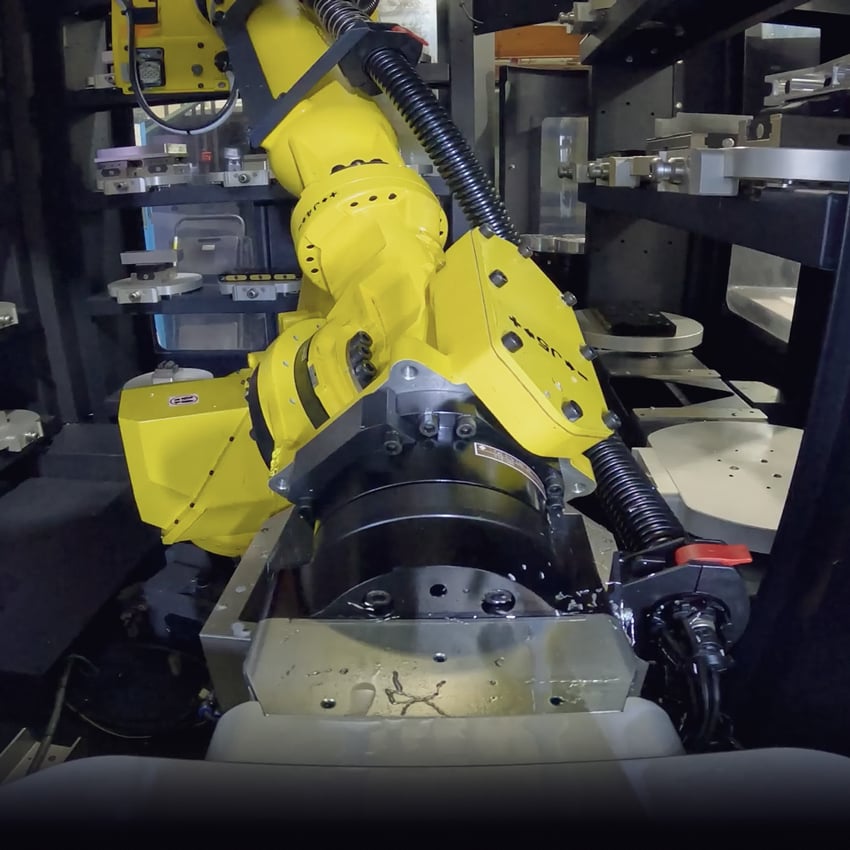
When Kevin Lynch, Owner of KL Engineering, talks about automation, it’s not theoretical. It’s operational. It’s practical. And it’s essential.
Located in Morgan Hill, California, KL Engineering is a contract manufacturer that evolved from a design and integration firm into a vertically integrated production operation. Founded in 2009, the company originally outsourced all fabrication and machining, focusing instead on equipment integration and testing.
Over time, that changed as customer projects moved from prototypes into repeat builds—10, 20, 50, even 100 complex assemblies—manual processes could no longer keep pace. The volume demands began to outstrip the team’s ability to load and unload machines efficiently.
That’s when automation became necessary.
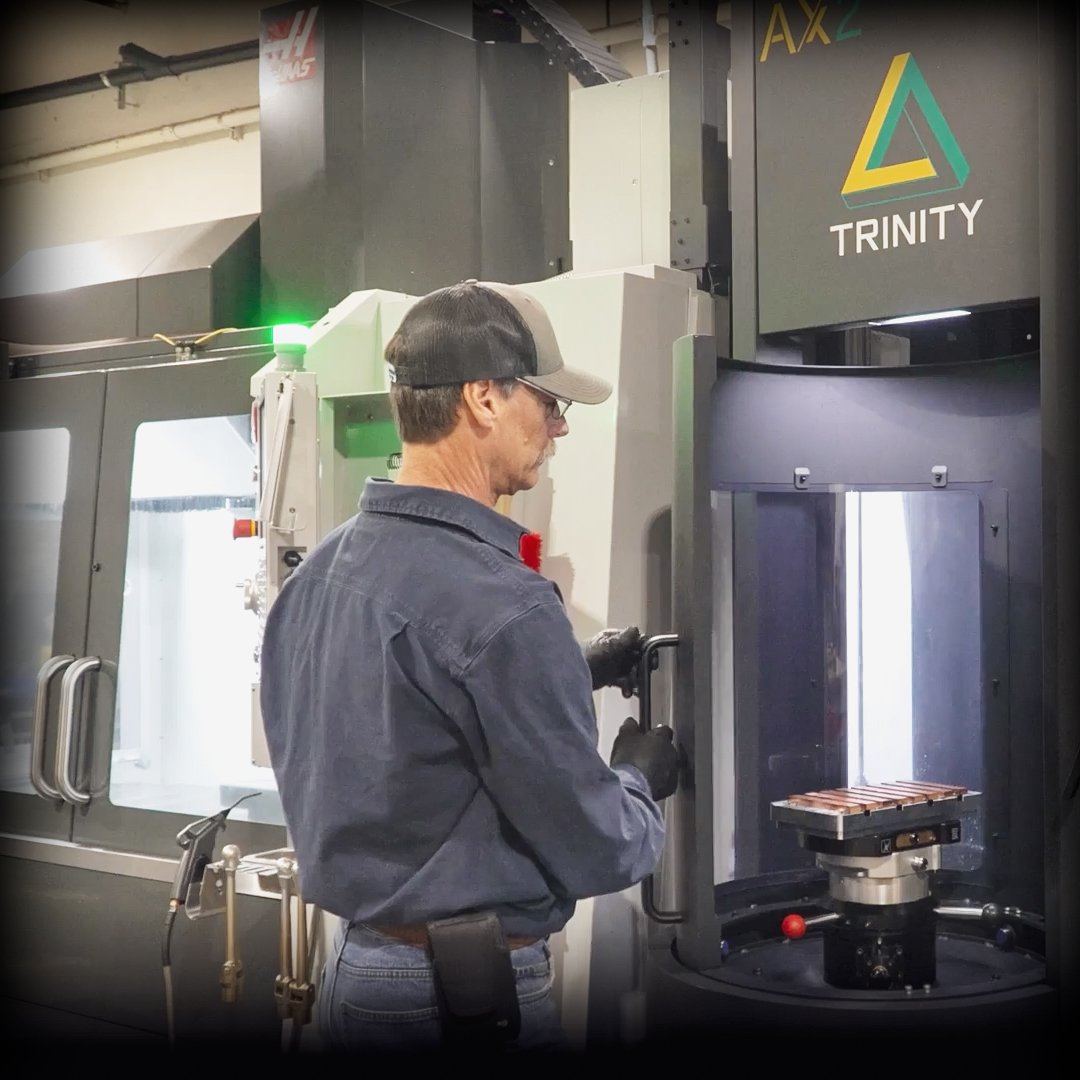
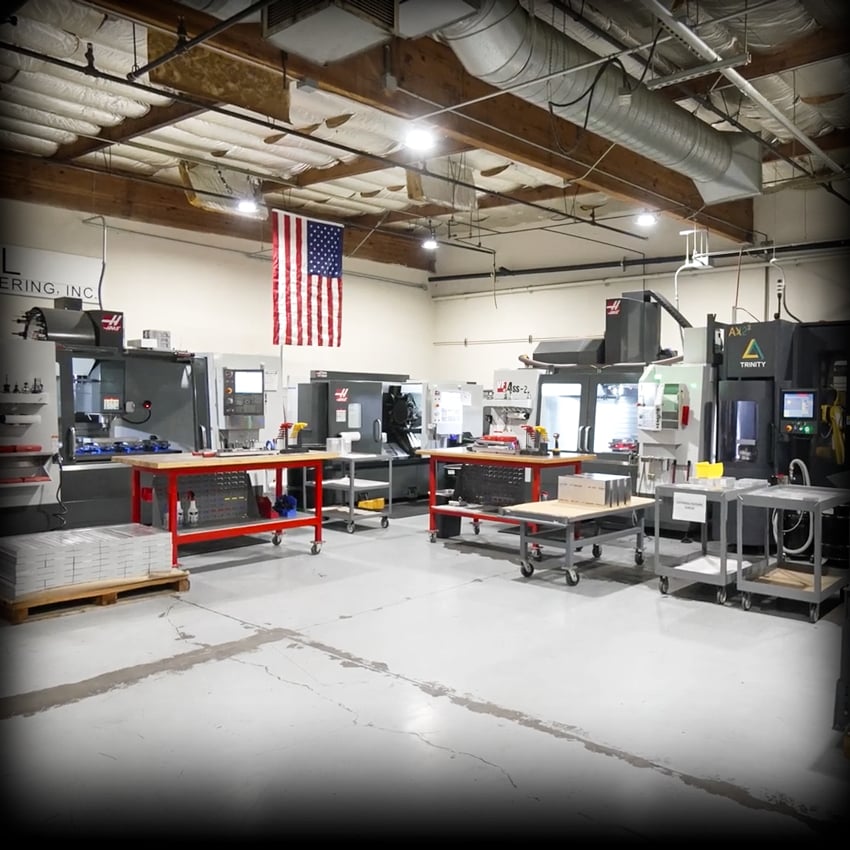
KL Engineering’s journey toward palletized automation followed its larger shift toward vertical integration.
The company first brought welding and waterjet cutting in-house. Then CNC machining followed. As production quantities increased, the need for scalable, efficient automation became clear.
“We didn’t want to add a lot of overhead programming robots, designing end effectors, and interfacing with individual parts that may never come back.”
For a high-mix contract manufacturer, direct part handling with custom robotic tooling would have required significant engineering time—time better spent making parts.
A palletized solution was the answer.