
Radian Thermal Products manufactures thermal management solutions for the military, telecommunications, networking, and medical industries. After decades of relying on aging CNC equipment, the company recognized that modernizing its manufacturing operation was essential to remaining competitive.
“We were using 30-year-old CNC machines,” explains Terry Sin, President and CEO of Radian. “To be competitive, you can't keep using old machines and old techniques.”
But replacing aging equipment was only part of the challenge. Radian also needed to dramatically increase its productive machine hours without continually adding employees and shifts.
Radian's growing customer demand created a familiar manufacturing challenge: how to produce more parts without significantly expanding its workforce or shop floor.
“Our customers wanted us to produce more parts every quarter,” says Jesse Cox, Production Manager at Radian. “To keep up with those production goals without automation, we would have needed an outlandish number of machines and spindles running.”
With production runs ranging from approximately 50 to several hundred parts, Radian needed flexible automation that could accommodate changing jobs rather than being dedicated to a single high-volume application.
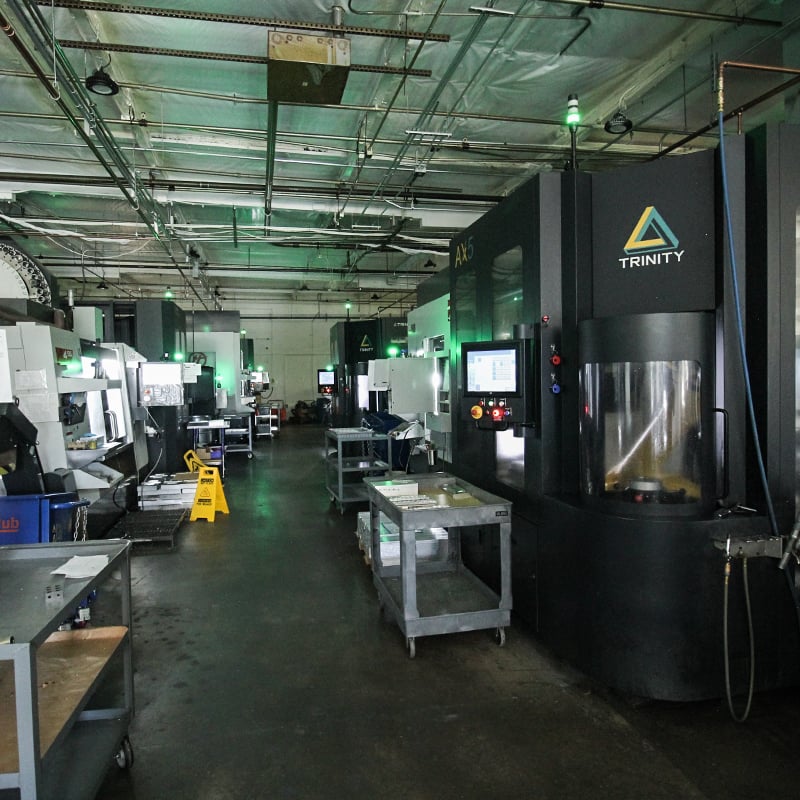
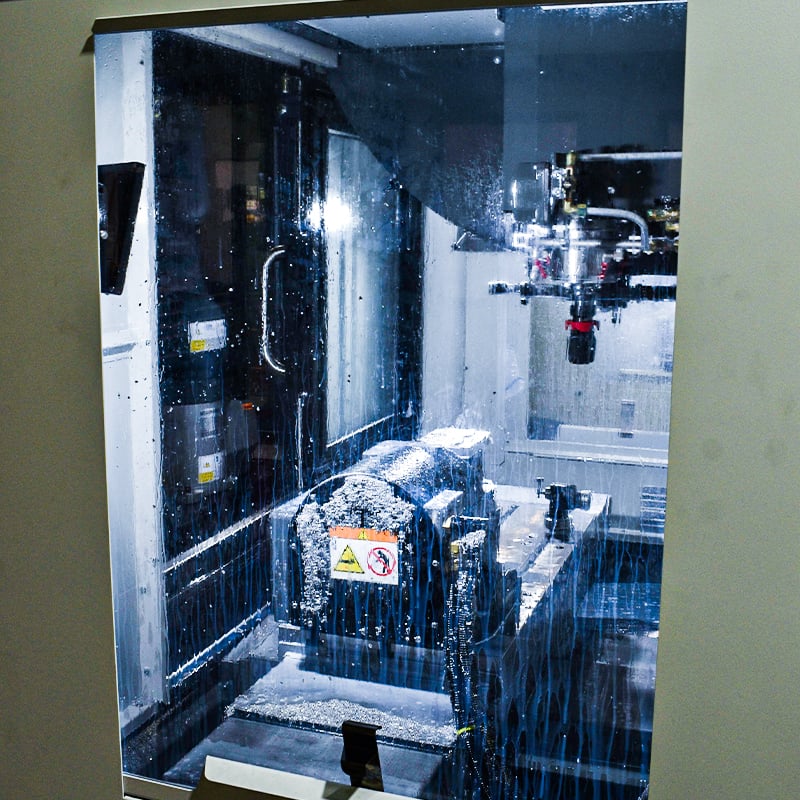
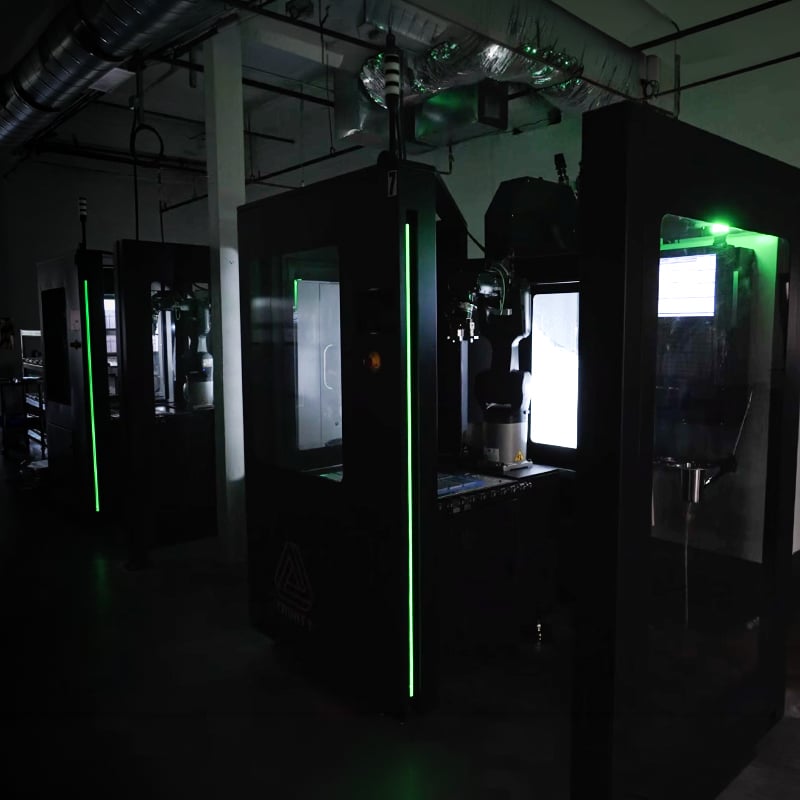
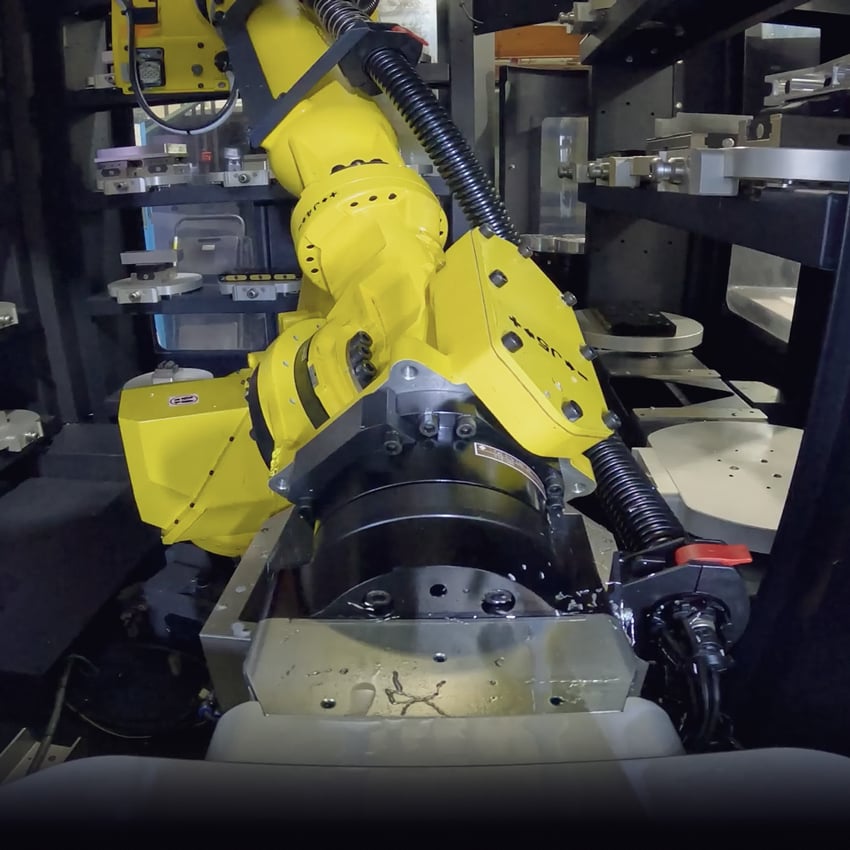
Trinity's Automated Pallet Systems provided that flexibility. Operators could prepare multiple jobs during staffed hours and keep CNC machines running unattended long after the workday ended.
“When it's time to go home, we press Start and let it run all night,” explains Cox. “Then we come back in the morning, unload the finished parts, and begin setting up the next night's production.”
Radian's growing customer demand created a familiar manufacturing challenge: how to produce more parts without significantly expanding its workforce or shop floor.
“Our customers wanted us to produce more parts every quarter,” says Jesse Cox, Production Manager at Radian. “To keep up with those production goals without automation, we would have needed an outlandish number of machines and spindles running.”
With production runs ranging from approximately 50 to several hundred parts, Radian needed flexible automation that could accommodate changing jobs rather than being dedicated to a single high-volume application.
Trinity's Automated Pallet Systems provided that flexibility. Operators could prepare multiple jobs during staffed hours and keep CNC machines running unattended long after the workday ended.
“When it's time to go home, we press Start and let it run all night,” explains Cox. “Then we come back in the morning, unload the finished parts, and begin setting up the next night's production.”
Introducing automation was only valuable if Radian's machinists could use it confidently every day.
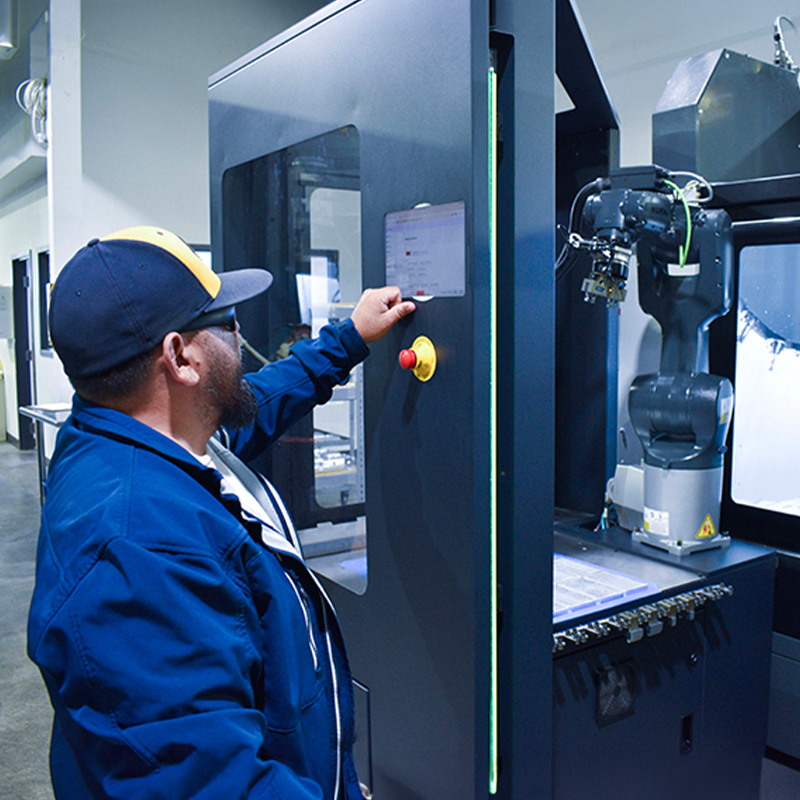
Today, approximately 15 machinists work with Trinity automation throughout the shop. According to Cox, operators were able to begin running production after just one day of training.
“The system itself is very simple,” says Cox. “They showed us how to use it, and we were off and running.”
That simplicity has changed how Radian's team works. Rather than remaining tied to individual machines, machinists can prepare upcoming jobs, oversee multiple systems, and focus on higher-value work.
“The employees are so much more efficient now that they can actually run three or four machines.”
Automation has also improved production consistency. Once a machining process is established, the automated system repeats it without the variation associated with manual loading.
“You dial it in once,” says Cox, “and every single part that follows is perfect.”
Introducing automation was only valuable if Radian's machinists could use it confidently every day.
Today, approximately 15 machinists work with Trinity automation throughout the shop. According to Cox, operators were able to begin running production after just one day of training.
“The system itself is very simple,” says Cox. “They showed us how to use it, and we were off and running.”
That simplicity has changed how Radian's team works. Rather than remaining tied to individual machines, machinists can prepare upcoming jobs, oversee multiple systems, and focus on higher-value work.
“The employees are so much more efficient now that they can actually run three or four machines.”
Automation has also improved production consistency. Once a machining process is established, the automated system repeats it without the variation associated with manual loading.
“You dial it in once,” says Cox, “and every single part that follows is perfect.”
The most dramatic change came from how Radian utilized its CNC equipment.
Before automation, machines were largely limited to approximately 40 productive hours per week. By preparing jobs during staffed shifts and running unattended through nights and weekends, Radian extended weekly productive machine runtime to approximately 142 hours.
“Our productivity has increased fivefold,” says Cox. “We've actually doubled the amount of work we do without really increasing the number of employees.”
With approximately 12 Trinity automation systems supporting its CNC operation, Radian has dramatically expanded production capacity while making better use of its existing workforce.
Instead of buying machines simply to add more spindle capacity, Radian is getting substantially more productive time from the equipment it already operates.
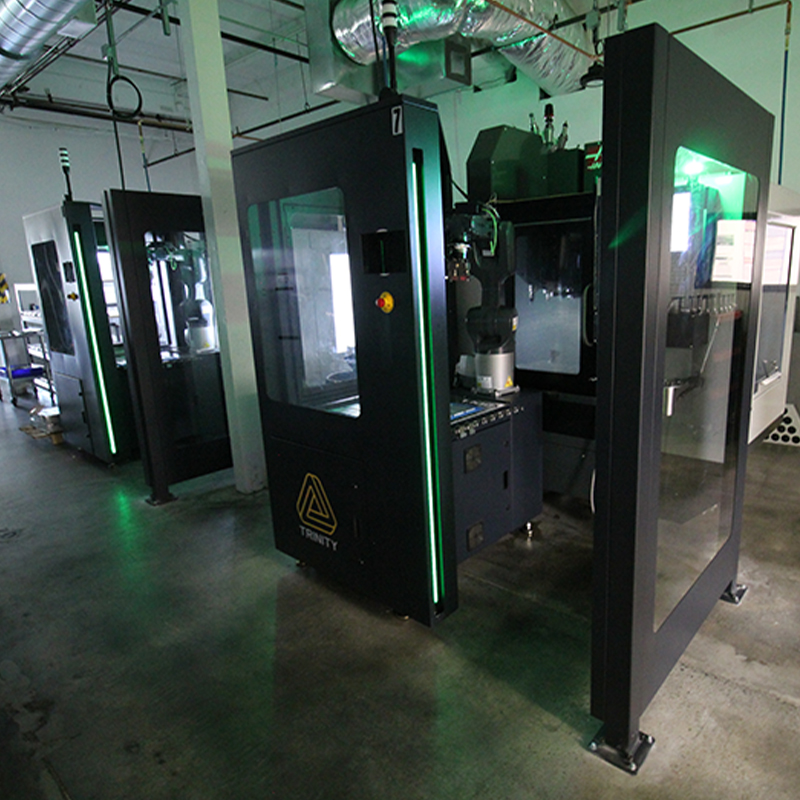
The most dramatic change came from how Radian utilized its CNC equipment.
Before automation, machines were largely limited to approximately 40 productive hours per week. By preparing jobs during staffed shifts and running unattended through nights and weekends, Radian extended weekly productive machine runtime to approximately 142 hours.
“Our productivity has increased fivefold,” says Cox. “We've actually doubled the amount of work we do without really increasing the number of employees.”
With approximately 12 Trinity automation systems supporting its CNC operation, Radian has dramatically expanded production capacity while making better use of its existing workforce.
Instead of buying machines simply to add more spindle capacity, Radian is getting substantially more productive time from the equipment it already operates.

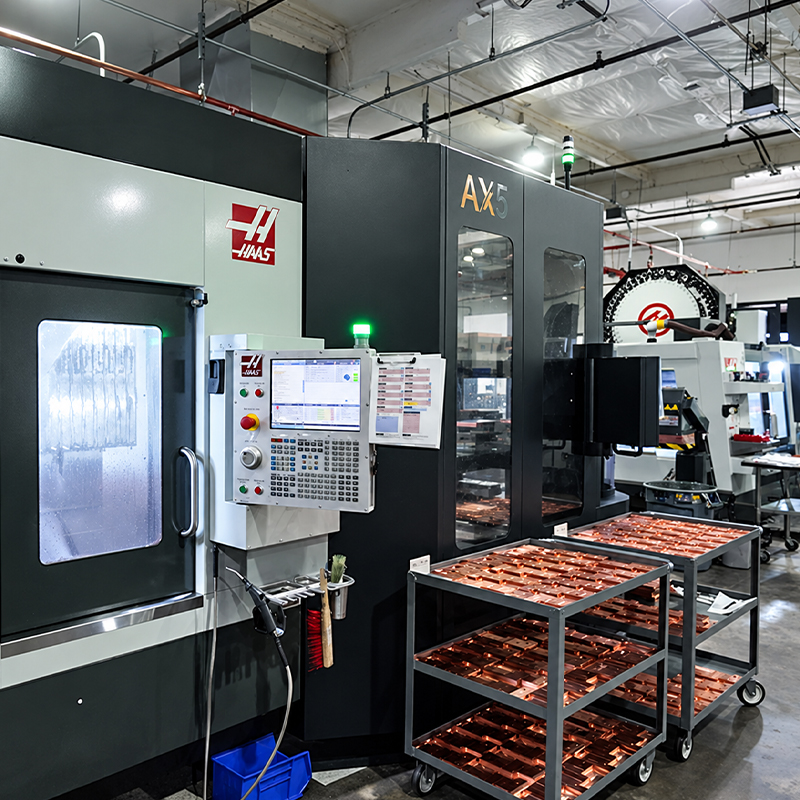
The additional machine hours have translated into measurable improvements in manufacturing economics.
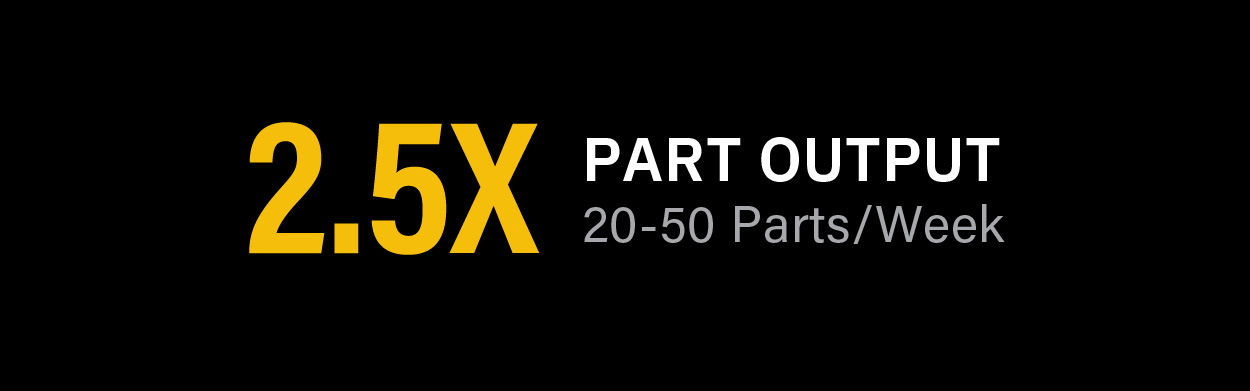
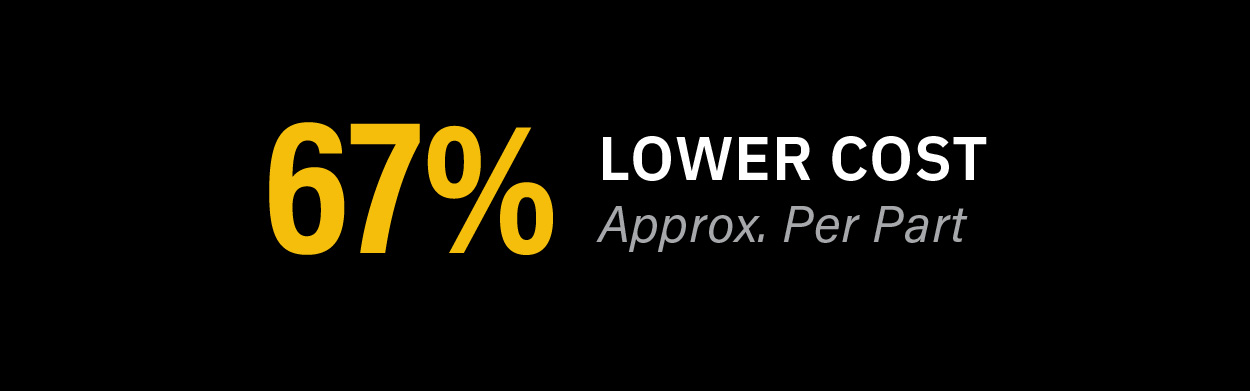
On one representative production job, Radian increased output from 20 to 50 parts per week while reducing manufacturing cost from approximately $300 to under $100 per part.
That represents 2.5× part output and approximately 67% lower manufacturing cost per part.
By increasing machine utilization, reducing manual intervention, and extending production beyond staffed hours, Radian has been able to manufacture more efficiently without a proportional increase in labor.
“The return on investment was so easy,” says Terry Sin, “that we decided we needed to buy more.”
For Radian, automation was no longer simply an equipment purchase. It became a proven strategy for expanding production while controlling costs.
For Radian, the benefits of automation extend beyond production numbers.
Reliable systems and responsive support have helped the company maintain the unattended production schedules that are now central to its operation.
“We're super happy with their customer service,” says Cox.
More importantly, automation has strengthened Radian's ability to compete with overseas manufacturers by reducing production costs while maintaining domestic manufacturing.
“Trinity has been a lifesaver,” says Sin. “It got us out of the hole we were in and put us back on the map to operate 24/7.”
The company's experience demonstrates how American manufacturers can compete through smarter production rather than simply trying to match lower overseas labor costs.
“The only way you can compete today and remain competitive in America is with an automation system like Trinity.” — Terry Sin
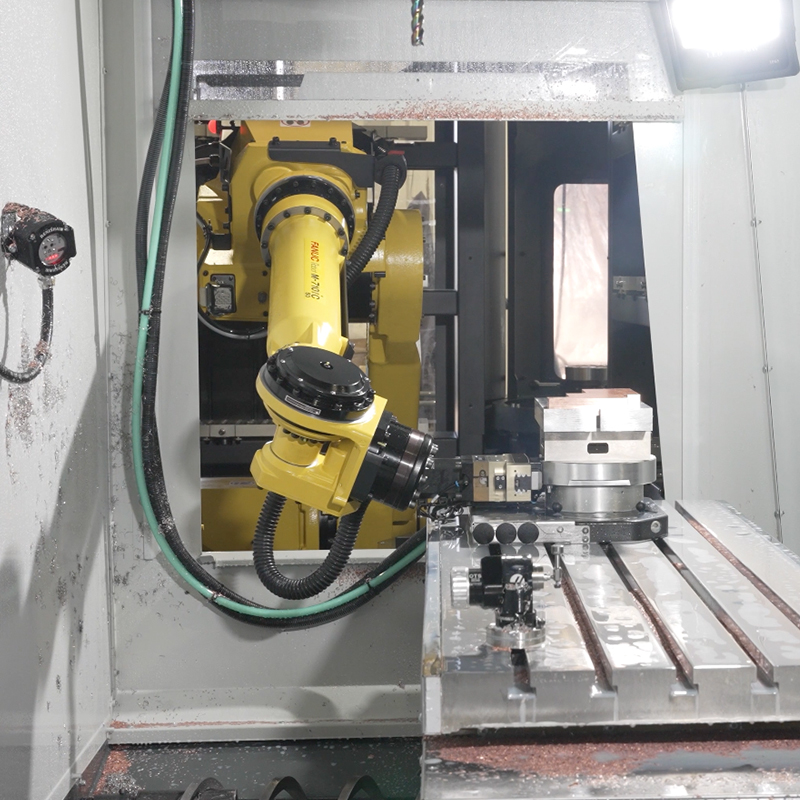
For Radian, the benefits of automation extend beyond production numbers.
Reliable systems and responsive support have helped the company maintain the unattended production schedules that are now central to its operation.
“We're super happy with their customer service,” says Cox.
More importantly, automation has strengthened Radian's ability to compete with overseas manufacturers by reducing production costs while maintaining domestic manufacturing.
“Trinity has been a lifesaver,” says Sin. “It got us out of the hole we were in and put us back on the map to operate 24/7.”
The company's experience demonstrates how American manufacturers can compete through smarter production rather than simply trying to match lower overseas labor costs.
“The only way you can compete today and remain competitive in America is with an automation system like Trinity.” — Terry Sin
The operational improvements quickly translated into measurable financial results.
One representative production job illustrates the impact:
• Manufacturing cost dropped from approximately $300 per part to under $100 per part.
• Weekly output increased from approximately 20 parts to 50 parts.
The improvements came from a combination of longer machine utilization, consistent automated operation, and reduced operator intervention.
Higher throughput, lower costs, and improved consistency created a return on investment that made future automation decisions straightforward.
“The return on investment was so easy,” says Terry Sin, “that we decided we needed to buy more.”
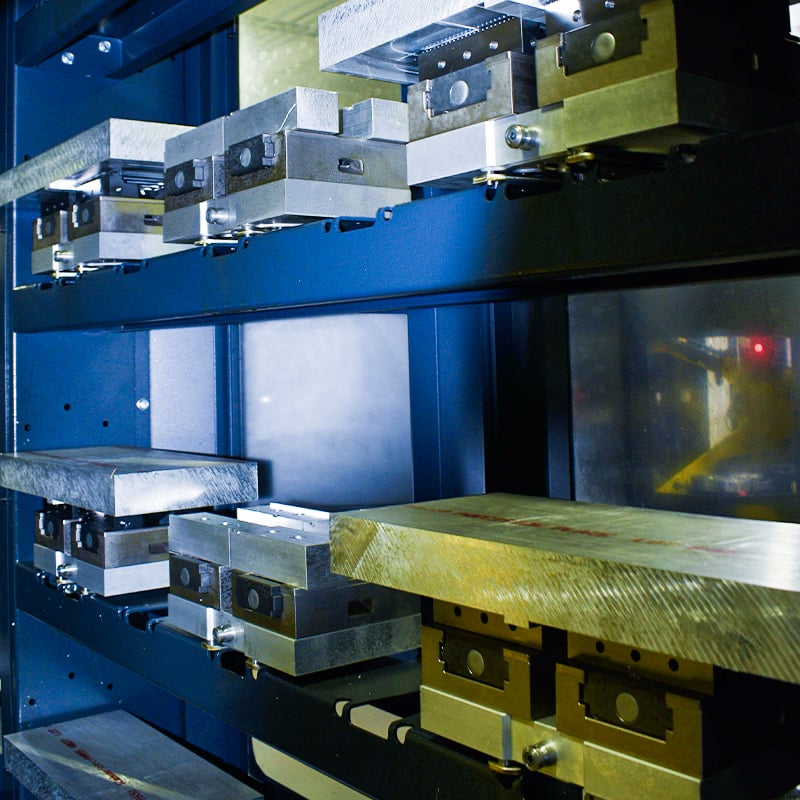
Reliable equipment is only part of the equation.
According to Radian, Trinity’s support has been equally important.
While service calls are rare, the Trinity team responds quickly whenever assistance is needed—often the same day or by the following morning.
“We’re super happy with their customer service,” says Cox.
For Radian, automation became more than a productivity improvement—it became a competitive strategy.
Manufacturers in the United States continue to compete against lower-cost global production. Rather than chasing lower labor costs, Radian chose to maximize machine utilization and operate lights-out.
“Trinity has been a lifesaver,” says Sin. “It got us out of the hole we were in and put us back on the map to operate 24/7.”
He concludes with a message many manufacturers are beginning to recognize:
“The only way you can compete today and remain competitive in America is with an automation system like Trinity.”
Reliable equipment is only part of the equation.
According to Radian, Trinity’s support has been equally important.
While service calls are rare, the Trinity team responds quickly whenever assistance is needed—often the same day or by the following morning.
“We’re super happy with their customer service,” says Cox.